Types of Diabetes
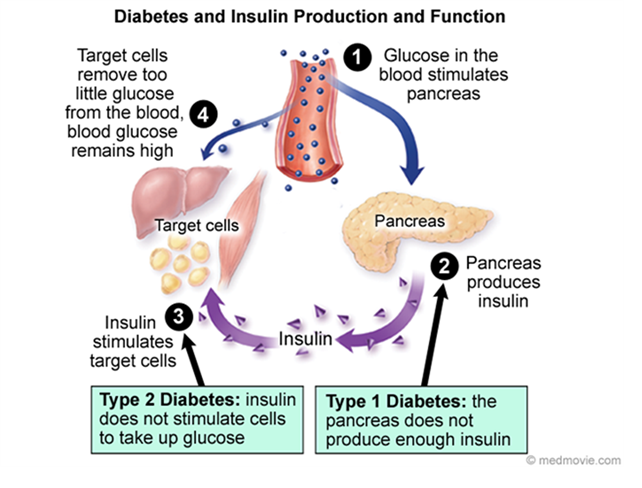
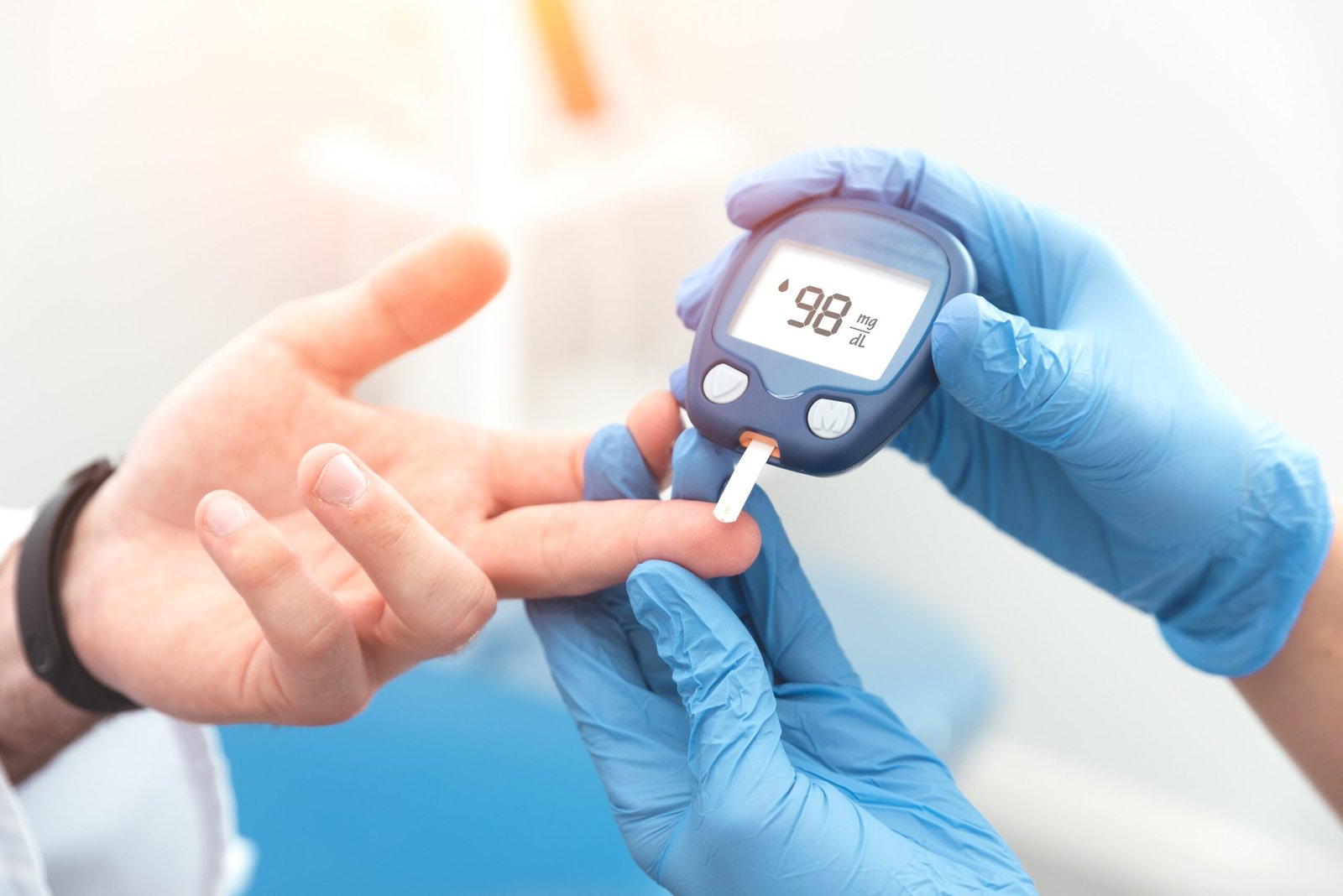
Insulin is a hormone produced in the pancreas, an organ near the stomach. Insulin helps the body use or store the blood glucose it gets from food. When you have diabetes, your body either doesn’t make enough insulin or can’t use its own insulin as well as it should, or both. This causes sugars to build up too high in your blood. Type 2 diabetes is the most common form. It appears most often in middle-aged adults; however, adolescents and young adults are developing type 2 diabetes at an alarming rate. Type 1 diabetes usually occurs in children and young adults. In type 1, the pancreas makes little or no insulin. Without daily injections of insulin, people with type 1 diabetes won’t survive. Untreated diabetes can lead to many serious medical problems. These include blindness, kidney disease, nerve disease, limb amputations and cardiovascular disease (CVD).
Diabetes Complications

Diabetes is a disease that affects the way your body makes and uses insulin. Either your body doesn’t make enough insulin or it doesn’t use it properly, or both. This causes excess sugar to build up in your blood. When untreated, blood sugar levels can rise to abnormal levels and can cause complications. Complications can include: stroke, eye disease, heart disease, high blood pressure, kidney disease, reduced blood flow to the legs (causing pain or limb loss), and peripheral nerve disease.
High Blood Pressure
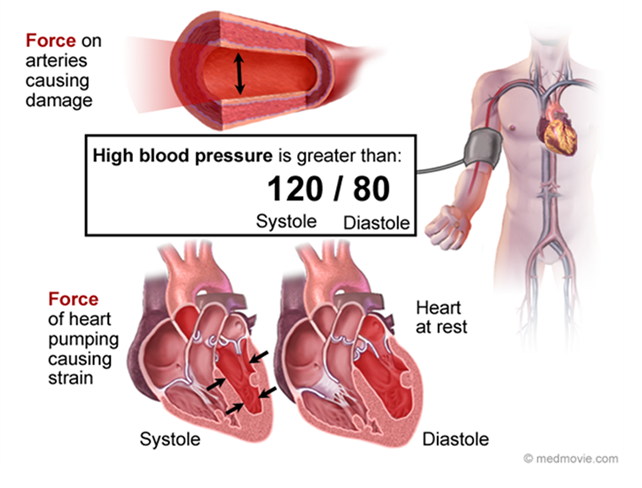
Blood pressure is the pressure of the blood against the walls of the arteries. Optimal blood pressure is less than 120 mm Hg systolic and 80 mm Hg diastolic. High Blood Pressure, or hypertension, is a condition in which blood pressure levels are above the normal range. Blood pressures of 120-139 mm Hg and/or 80-89 mm Hg are considered prehypertension. Blood pressure is considered high if it is 140 mm Hg and/or 90 mm Hg or higher. High blood pressure increases the risk for heart attack, angina, stroke, kidney failure and peripheral artery disease (PAD). High blood pressure may also increase the risk of developing fatty deposit in arteries (atherosclerosis). The risk of heart failure also increases due to the increased workload that high blood pressure places on the heart.
Cholesterol – HDL and LDL
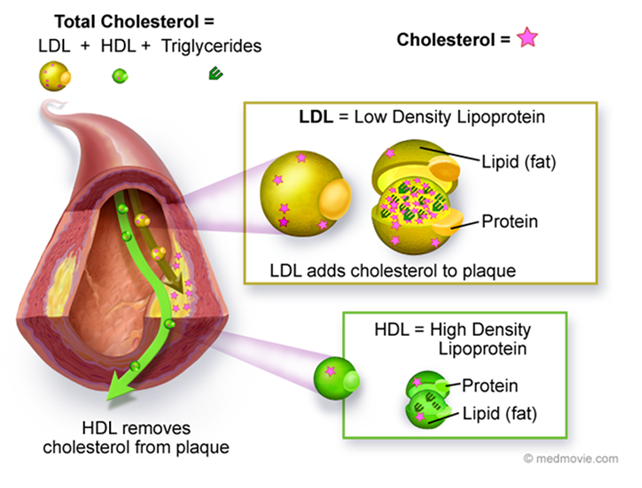
Cholesterol is a soft, waxy substance found among the lipids (fats) in the bloodstream and in all your body’s cells. It’s an important part of a healthy body because it’s used to form cell membranes, some hormones, vitamin D, bile acids and is needed for other functions. Cholesterol and other fats can’t dissolve in the blood. They have to be transported to and from the cells by special carriers called lipoproteins. There are several kinds, but the most important are Low-Density Lipoprotein (LDL or ‘bad’) and High-Density Lipoprotein (HDL or ‘good’). (See LDL Cholesterol and HDL Cholesterol)
reference: ahaw_0249i
©2025 Medmovie.com. All rights reserved. Medmovie.com creates and licenses medical illustrations and animations for educational use. Our goal is to increase your understanding of medical terminology and help communication between patients, caregiver and healthcare professionals. The content in the Media Library is for your information and education purposes only. The Media Library is not a substitute for professional medical advice, diagnosis or treatment for specific medical conditions.